

A list of article series. Read each episode from a series index.
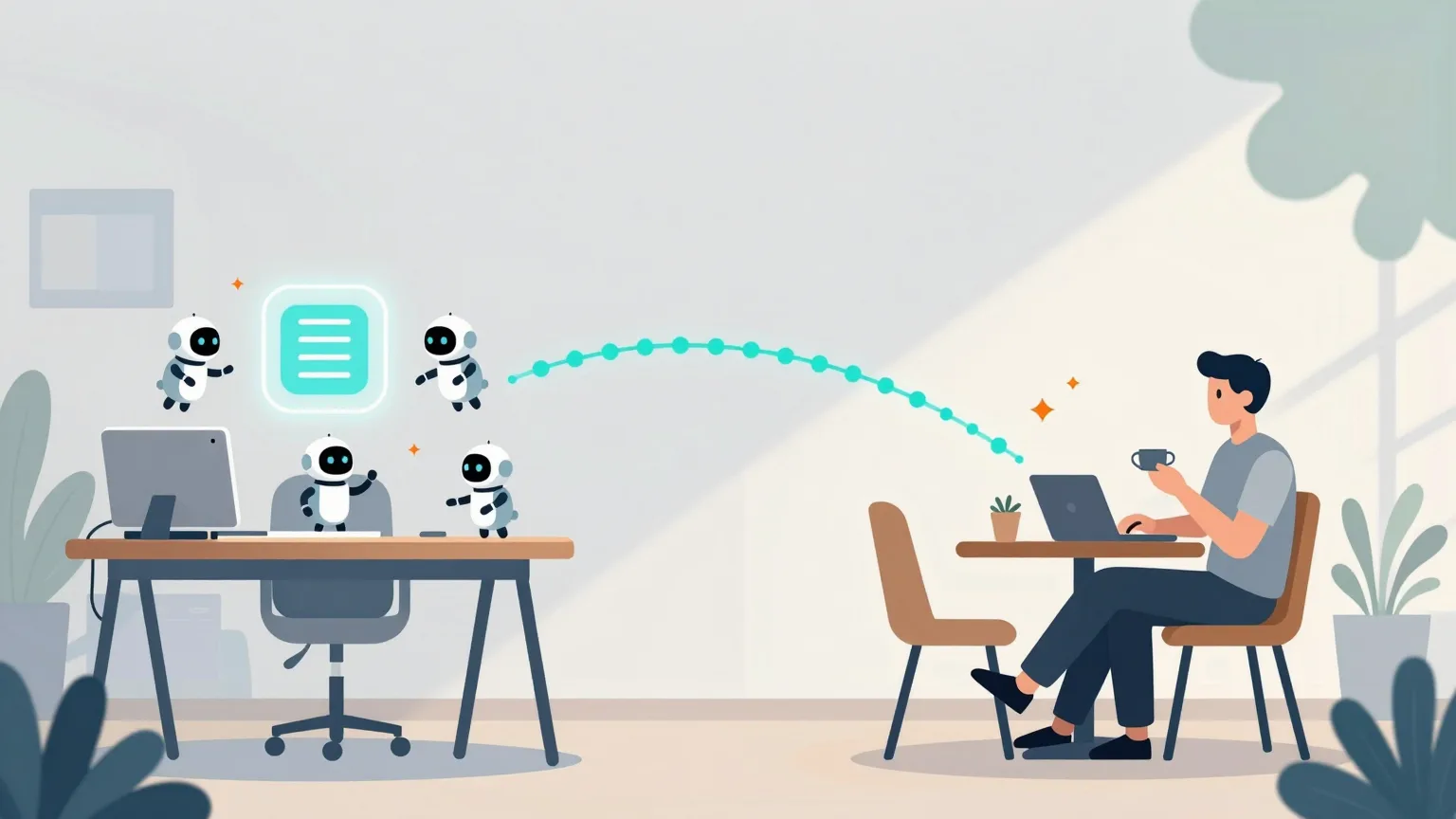
Orca Remote Development Series
A four-part series introducing Remote Orca Servers, Orca's feature that lets you drive your Mac mini-based development environment directly from a MacBook Pro while on the go. From handing off AI sessions and checking web apps running on localhost in a browser to a complete setup guide, this series explains a remote development style for the AI agent era with concrete workflows.
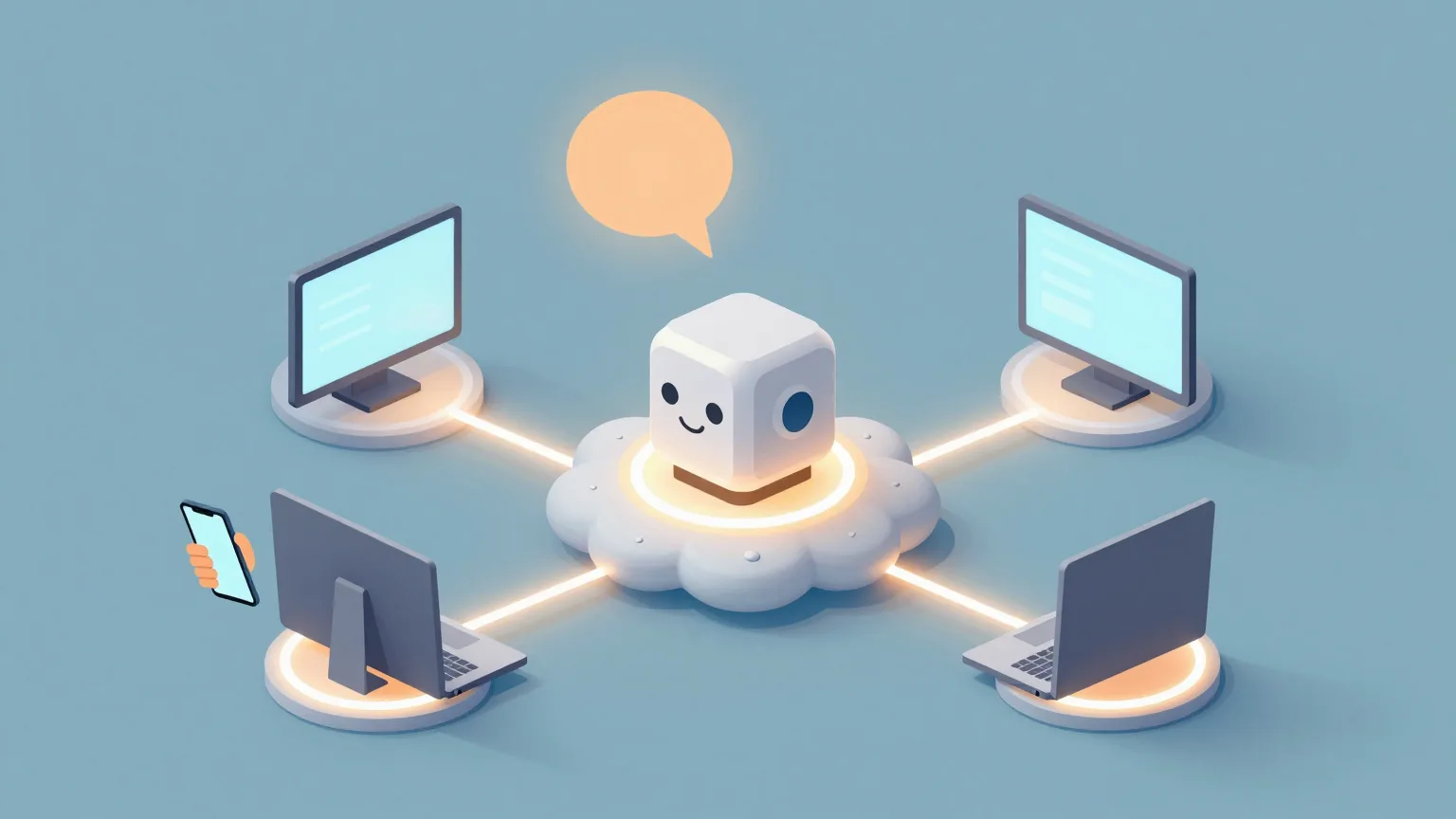
A Lab Notebook on Hosting OpenClaw on a VPS to Control Multiple PCs as Nodes
A technical lab notebook, split into two parts, documenting the steps and practical examples for setting up an OpenClaw gateway on a VPS, registering Ubuntu PCs and Macs as nodes, and operating them remotely via chat, with comparisons to the Hermes agent along the way.
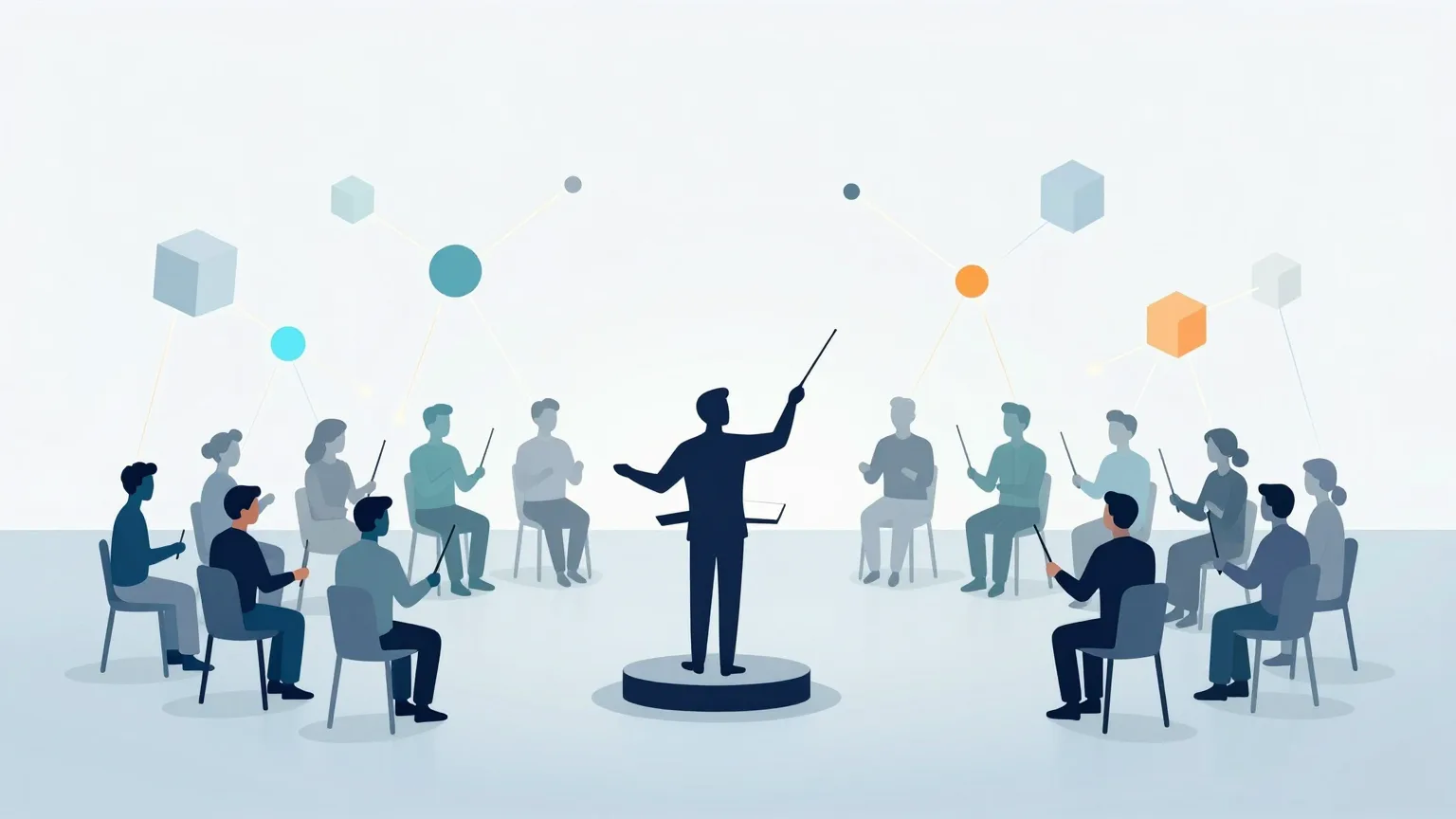
Decoding the "Conductor AI" with Fugu Max — A Strategy for Winning by Orchestrating a Fleet of Cheap Models
A technical lab note that uses Sakana AI's Fugu Max as a case study to explain, over three installments covering the basics, the mechanics, and the strategy, how to win on cost by coordinating multiple AI models like a "conductor" instead of relying on a single massive model.

The Value of Skills in the AI Era
A one-part series that explores where the value of skills—acquired by humans over many years—is heading amid the evolution of generative AI, drawing on concrete examples such as programming, illustration, and music.

Giving AI Agents a "Thinking Tool" — From deep_think Design to Validation
This is a three-part series exploring how to build a dedicated "thinking tool" into AI agents, inspired by an idea called deep_think that I came across on X. Part 1 covers the essence of the idea and how to apply it to agent design, Part 2 covers the implementation design for OpenClaw, and Part 3 covers an A/B test design for verifying its effectiveness with hard numbers. Through concrete examples, this series introduces the perspective of "designing a thinking environment" — changing how agents work without changing the model itself.
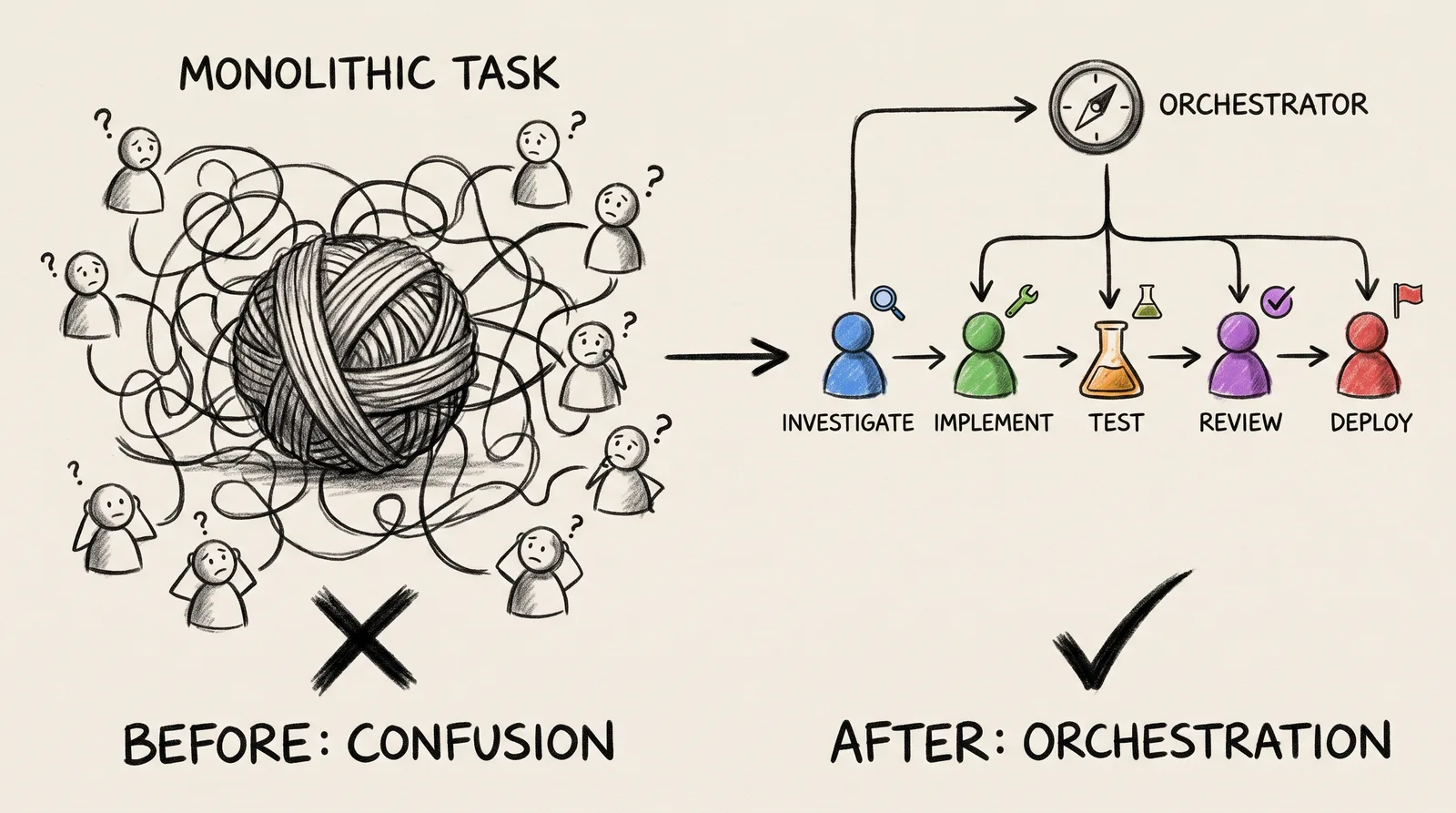
The Complete Guide to Orca
A two-part series covering everything from setting up Orca, a free AI agent development environment, to making the most of its centerpiece feature, orchestration.
Migrating from Google Japanese Input to the Mac's built-in IME, only to find the "romaji table" can't be edited — how I solved it with Karabiner-Elements
How to move to the macOS built-in IME while keeping the custom romaji input mappings (ci/cu/co/xi/xo) you've refined over many years — a three-part series covering the design for supplementing just the five inputs you need with Karabiner-Elements Complex Modifications, along with the setup steps and limitations.
A record of how we responded to a suspected compromise that occurred on a client's server
A six-part series documenting our response when an outage of a public site and suspicious indicators occurred simultaneously on a web server operated by a client, compiled as reproducible procedures in the order of initial response, investigation, containment, recovery, verification, and prevention.
Local Generative AI × Mac
A series on building a local generative AI environment with an M1 Max MacBook Pro and an M4 Pro Mac mini. Without relying on external APIs, it walks through building, step by step, a system that generates articles and images on the Mac at home.